1. Planning is Important before Setting up Tropical Aquarium:
- Determine the size of the aquarium based on the available space and your preferences. A larger tank provides more stability and accommodates a greater variety of fish and plants.
- Research the tropical fish species you wish to keep. Consider their compatibility, size, and care requirements.
- Choose a suitable location for your aquarium, away from direct sunlight and temperature extremes.
- Select high-quality equipment, including a tank, heater, filter, lighting, substrate, decorations, and water treatment products.
2. Tank Setup:
- Thoroughly clean the aquarium using warm water and a non-toxic aquarium-safe cleaner.
- Place a layer of substrate at the bottom of the tank. Choose a substrate that suits your aesthetic preference and the needs of your fish and plants.
- Install the heater and filter according to the manufacturer’s instructions. The heater will maintain a stable temperature, while the filter ensures water circulation and removes debris.
3. Water Preparation:
- Fill the tank with dechlorinated water. Treat tap water with a water conditioner like JBL Biotopol to neutralize harmful chemicals and make it safe for fish.
- Allow the water to sit for 24 hours to reach room temperature and stabilize. Test the water parameters using a reliable aquarium test kit to ensure proper levels of pH, ammonia, nitrite, and nitrate. Explained in detail Here.
4. Cycling the Aquarium:
- Start the nitrogen cycle to establish a healthy biological filtration system. This process breaks down toxic ammonia into less harmful substances.
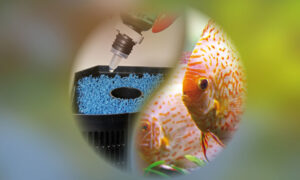
- Add a bacterial starter product like JBL Denitrol to jumpstart the cycling process. Denitrol contains beneficial bacteria that colonize the filter media and accelerate the establishment of a balanced ecosystem.
5. Adding Decorations and Plants:
- Arrange decorations, such as rocks, driftwood, and artificial plants, to create a visually appealing environment for your fish.
- Introduce live plants to provide natural filtration, oxygenation, and hiding places for fish. Select plants that are suitable for your tank size, lighting, and water parameters.
6. Introducing Fish:
- Begin with a small number of hardy fish species suitable for beginners, such as guppies, platies, or tetras.
- Acclimate the fish to the aquarium by floating the bag in the tank for about 15-20 minutes to equalize temperature. Then, gradually add small amounts of tank water to the bag to acclimate the fish to the water chemistry.
- Carefully release the fish into the aquarium, avoiding sudden temperature or pH changes. Monitor their behavior and ensure they adjust well to their new environment.
7. Maintenance and Care:
- Regularly test the water parameters to maintain optimal conditions for your fish. Monitor temperature, pH, ammonia, nitrite, and nitrate levels.
- Perform partial water changes of 10-20% every week to remove accumulated toxins and replenish essential minerals.
- Clean the aquarium glass, filter, and decorations regularly to prevent the buildup of algae and debris.
- Feed your fish a balanced diet of high-quality tropical fish flakes or pellets. Avoid overfeeding, as it can lead to water pollution and health problems.
Remember to be patient and observe your aquarium regularly. Over time, you can gradually introduce more fish and plants to enhance the biodiversity and beauty of your tropical aquarium. With proper care and maintenance, your tropical aquarium will become a captivating centerpiece in your home or office.